Manchester United's performance was disappointing, and here are three key things to take away from the game.
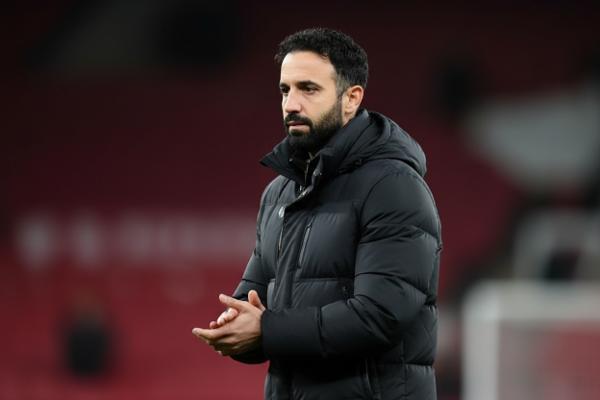
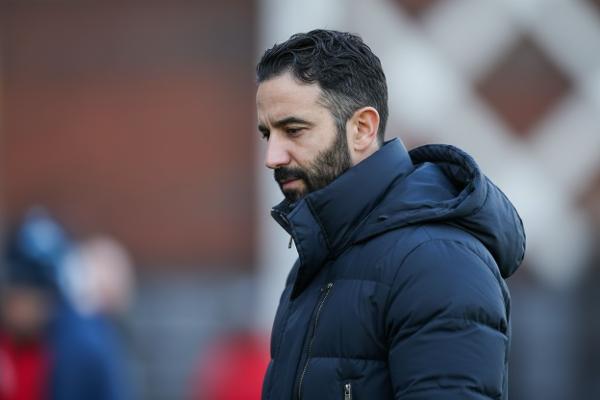
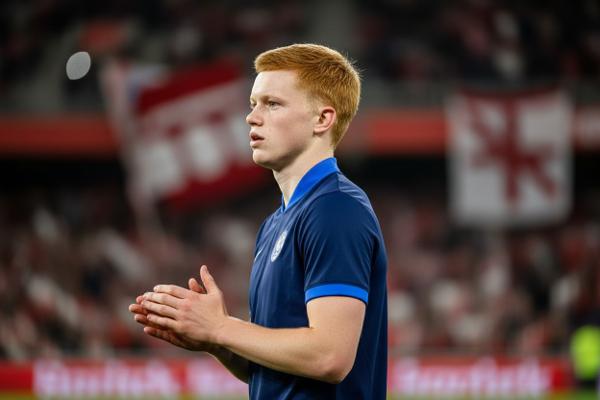
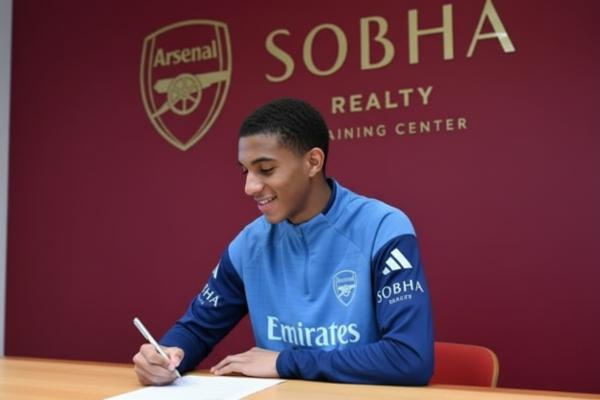
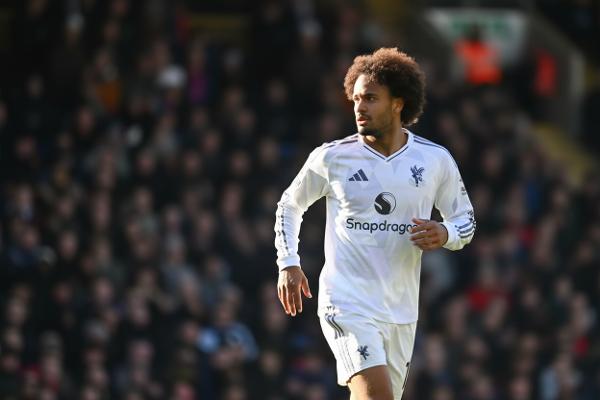
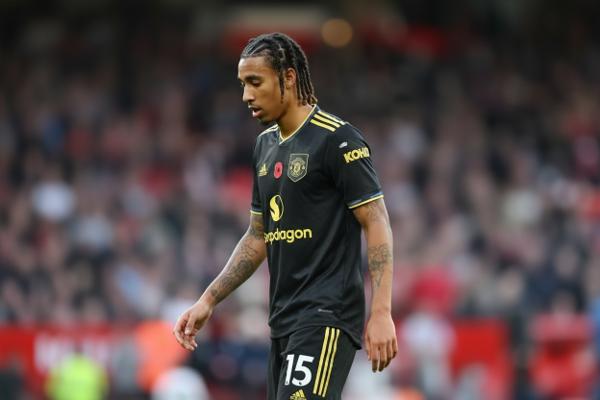
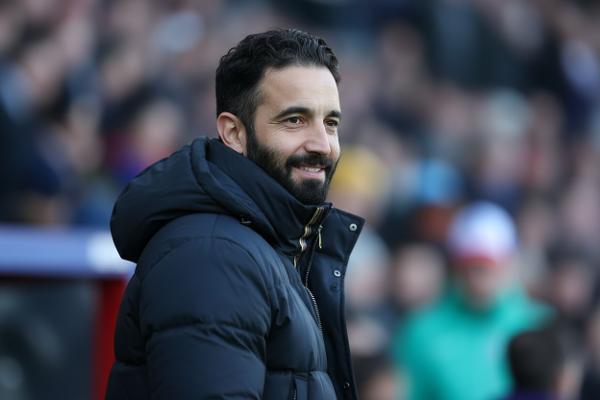
Leny Yoro's absence was a surprise decision, and it didn't pay off. Amorim's choice to drop Yoro and start Ayden Heaven was met with skepticism, and the young Frenchman struggled, conceding a penalty and looking out of his depth. Heaven showed promise, but it was clear that starting him was a mistake. He was replaced at halftime, having failed to make a tackle, win any duels, while making four clearances and three recoveries. Perhaps a stint on the bench before being thrust into a game like this would have been a better approach.
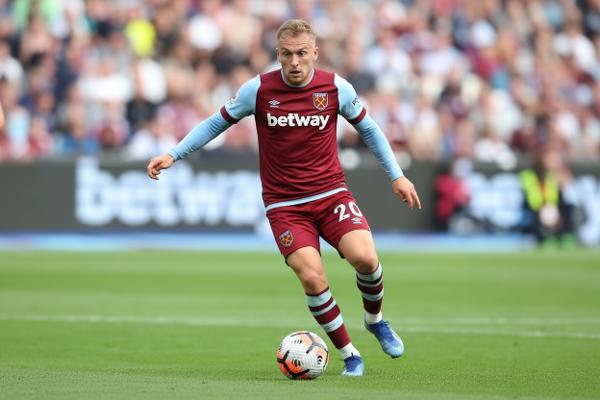
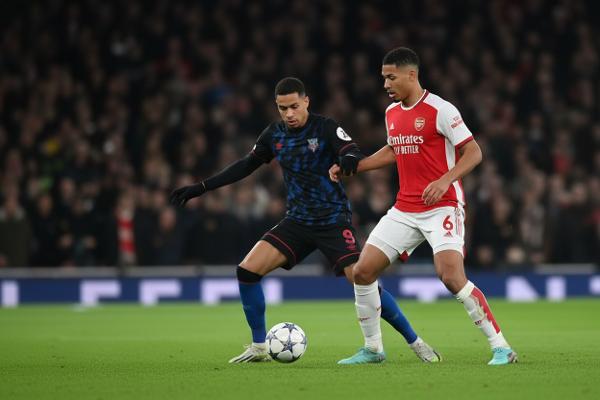
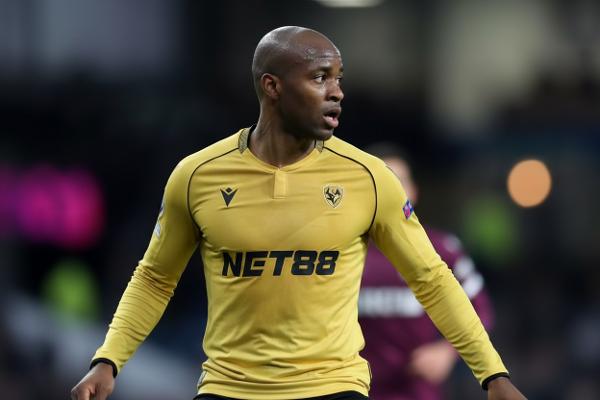
Aaron Wan-Bissaka was a standout performer against his former club. Despite being sold by Manchester United, Wan-Bissaka played with a point to prove, and his performance was impressive. He was one of West Ham's best players, doing his defensive duties while also being a constant threat on the right wing. Wan-Bissaka completed five dribbles, created two chances, and made 13 passes into the opposition's half, while also making a crucial goal-line clearance to deny Joshua Zirkzee his second goal in as many games.
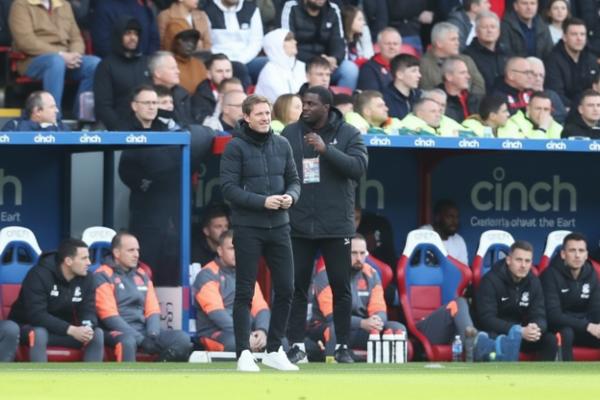
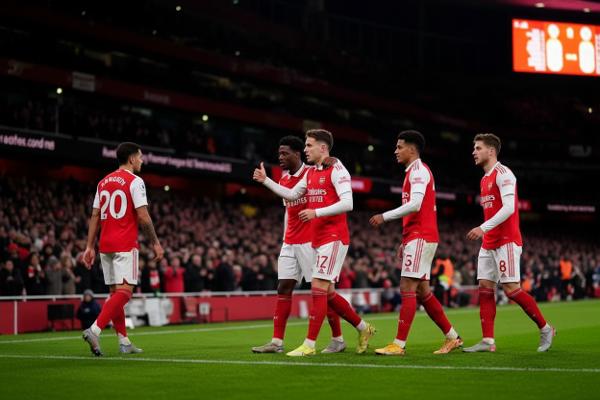
Manchester United's intensity was a major issue throughout the game. Amorim emphasized the need for intensity before the match, but it was lacking in the early stages. The team eventually rallied, but their intensity dropped again after Dalot's goal, ultimately leading to their downfall. This is a concern that has been raised before, and it's unclear what the solution is. Manchester United has the ability to dominate games, but it's clear that psychological factors are at play, rather than physical ones.